essay
The Manual That Taught Me to Read Manuals for Fun
2026-08-01 · 3 min read
I’ve spent eight years reading technical manuals for a living, maintenance procedures, service bulletins, the kind of document that assumes you already know forty things before page one, and I genuinely didn’t think a board game rulebook could rattle me the way Kemet’s did. It’s not that it’s technically dense, it’s that it’s disorganized in a way that feels almost hostile, terms defined three sections after they’re first used, a translation that reads like it went through two more languages than it should have on the way to English. I sat at Deacon’s table with a pencil, actually writing corrections into the margins like it was a document I’d been assigned to red-line, which, in a way, it was.
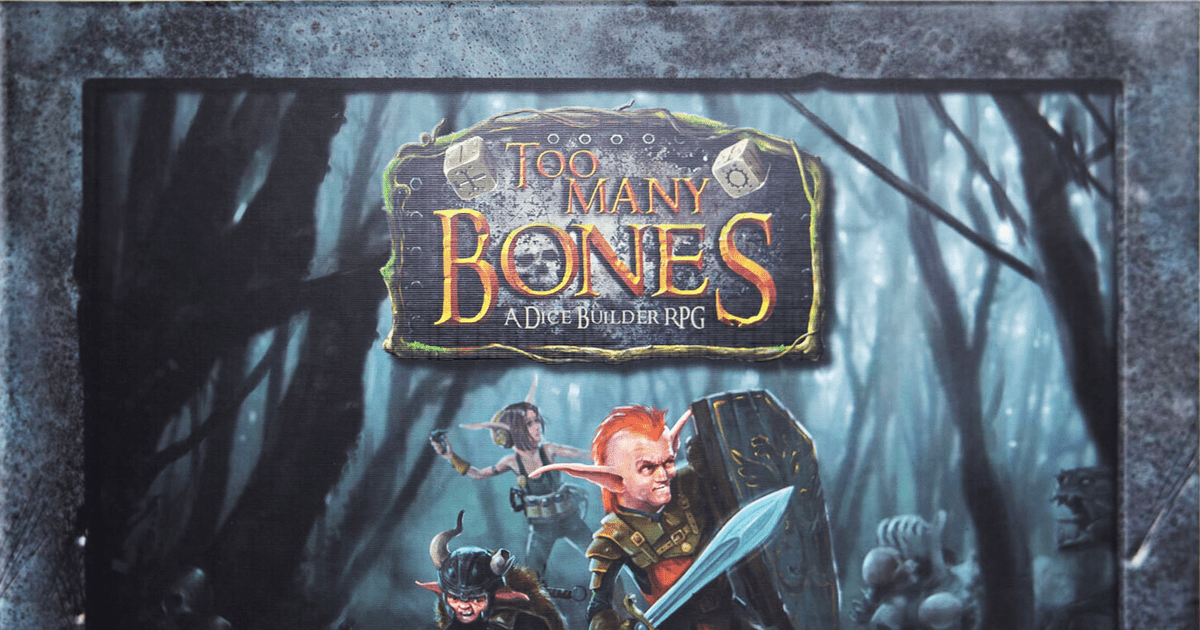
Here’s the part I didn’t expect. Getting angry at a badly written manual made me notice, really notice for the first time, what a well-written one actually does for you. Too Many Bones throws a lot at you too, dice pools and skill trees and character-specific systems, but it stages the information so you’re never holding more than you need for the decision in front of you. That’s not an accident. Someone sat down and thought hard about the order a person actually needs to learn things in, not just the order that was easiest to write them down in. I’d been taking that kind of care for granted in every well-made manual I’ve ever used at work too, the ones that walk you through a procedure in the sequence your hands actually move, not the sequence that happened to be convenient to type up.
I mentioned this to Renata, the whole red-lining-Kemet’s-rulebook thing, and she pointed out that this is basically the same thing I do with her ultrasound department’s equipment manuals when she complains about them, glad she said it, honestly, because I don’t think I’d noticed I had a type until she pointed it out. I like a document that respects the order my brain needs information in. I get genuinely worked up when one doesn’t. It’s not really about board games at all, it just happens that board games are where I have the free time to actually sit with the frustration instead of just muttering about it and moving on to the next work order.
The good news, and I do think there’s good news here, is that Kemet the actual game is worth fighting the manual for. I’ve said before I think it’s close to the best area-control design I own once you’re through the rulebook and playing it. But I keep the annotated copy on the shelf specifically because I want to remember, next time I’m tempted to skim a document because I’ve “basically already read something like this,” that the ten minutes I’d save skimming cost me an hour of confusion at the table instead. Some lessons you only really learn once you’ve had to sit through the bad version first.