book review · Seeing Like a State
Seeing Like a State
2026-08-08 · 3 min read
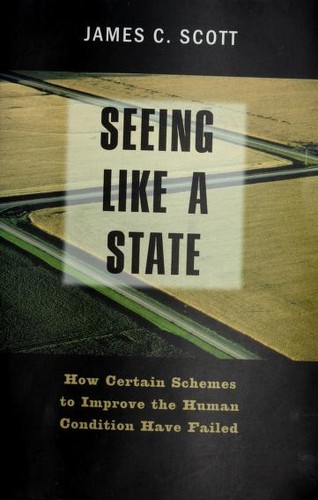
This isn’t a novel and it doesn’t pretend to be, but it reads with more narrative drive than most nonfiction I pick up, and I think that’s the actual reason it’s stuck with me. James Scott’s argument is simple to state and enormous in its implications, states need to make the world legible to govern it, standardized last names, gridded cities, monoculture forestry planted in perfect rows, and that very act of simplification strips out the local, uncodified knowledge that made the original messy system actually work.
The chapters on scientific forestry are where the book earns its reputation, watching a state replace a diverse, self-sustaining forest with a single efficient timber species and then watching that “improvement” collapse two generations later from soil exhaustion and pest vulnerability nobody planned for. Scott keeps returning to variations on that same failure, planned cities where pedestrian life dies because someone decided legibility mattered more than how people actually move through a block, collectivized farms that ignored the specific, hard-won local knowledge of the people already working that land. The throughline across every example is the same: authoritarian high-modernism plus a weakened civil society that can’t push back is the actual recipe for the worst outcomes, not central planning alone.
I’ll be honest that this drags in stretches, particularly the middle chapters on agricultural villages, and Scott’s own political sympathies show through more than once in a book that’s mostly trying to stay analytical. A few of his historical examples feel dated at this point too. But the technocratic critique underneath all of it hasn’t dated at all, if anything it’s more useful now watching platforms and algorithms do the same reductive legibility work Scott describes states doing a century ago. This is dense, occasionally repetitive, and absolutely worth pushing through, the kind of book that changes how you notice the world’s grid lines once you’ve read it.