essay
The Torque Spec I Double-Check Now
2026-08-06 · 3 min read
Three years ago I signed off on a panel that I shouldn’t have signed off on so fast. Nothing came of it, I want to say that up front because I know how that sentence reads and I don’t want anyone thinking this ends with a story on the news. A fastener was under-torqued, a few thousandths off what the spec called for, and a second tech on the next shift caught it during his own walkaround before it ever became a problem. But I remember exactly where I was standing when he radioed it in, and I was still feeling it, right in my chest, an hour later, because I knew immediately I’d read the spec sheet the way you read something you’ve read forty times before, skimming for the number instead of actually checking it against the job in front of me.
That’s the part nobody warns you about with technical manuals. After enough years you stop reading them and start pattern-matching them, and pattern-matching is fine right up until the one job that’s slightly different from the last forty and you don’t notice because you weren’t actually looking. I’ve thought about that a lot since, mostly at work but honestly also every time I crack open a rulebook for a new board game now. Deacon laughs at me for it, but I read the whole thing cover to cover before anyone touches a component, every time, no skimming for the part that looks familiar. It’s the same instinct that almost bit me on that panel. I don’t trust “I already basically know how this works” anymore, not from myself.
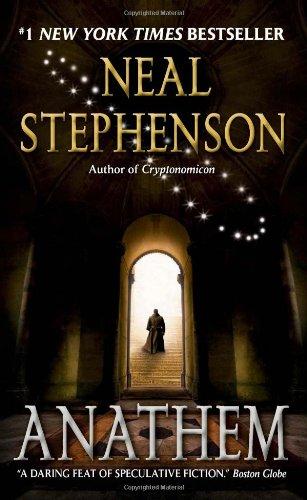
The weird upside is that this made me a better reader generally, not just of manuals and rulebooks. I used to skim dense books the same way, catching the shape of an argument and assuming I’d filled in the gaps correctly. Now I actually sit with the paragraph that’s confusing me instead of letting my eyes slide past it hoping the next one clarifies things. Anathem took me a full extra week because of this habit and I don’t regret a single day of it.
I told Renata this story once, the short version, panel and fastener and the tech who caught it, and her first question wasn’t about the plane at all, it was “so is this why you read the instructions for the coffee maker.” Yes. It is exactly why I read the instructions for the coffee maker. I used to think that kind of carefulness was just a personality quirk, something I was born being fussy about, but I don’t think that anymore. I think it’s a scar, in the most literal sense a habit that got carved into me by a near-miss I didn’t even cause directly, and it followed me home into every rulebook and every dense chapter I’ve read since.
I don’t know if there’s a tidy lesson here beyond the obvious one. Check the number against the job, not against your memory of the last job. It applies to airplanes and it applies to a card that says it does something you’re pretty sure you already understand. The difference is nobody gets hurt if I misread a power tile in Kemet. That’s probably why I can even write about the fastener now without my hands doing the thing they used to do, going a little cold, just from thinking about it.